
A Buyer's guide to DVD & BLURAY
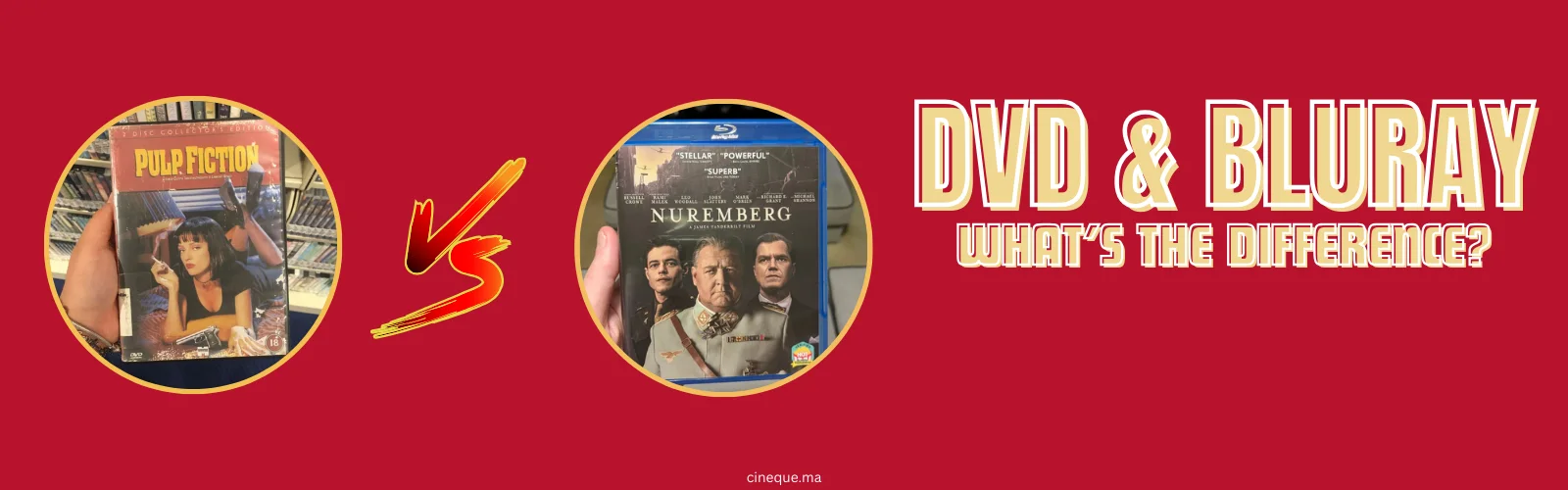
If you love watching movies at home, you are probably confused on the difference between DVD and Blu-ray discs. They look almost the same from the outside — same round disc, same plastic case. But they are actually very different. So what's the difference really ?
Image Quality: The Biggest Difference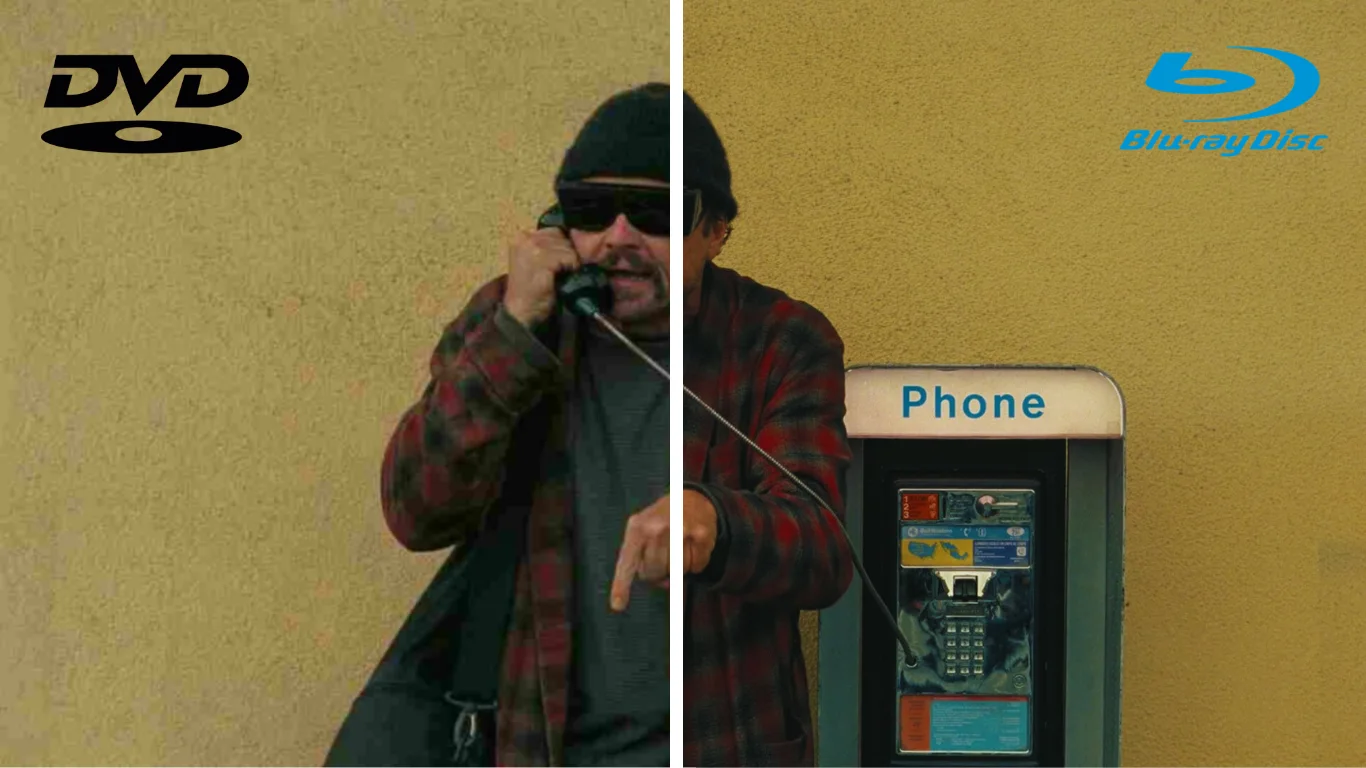
This is the most important thing to understand.
A DVD has a resolution of 480p. Think of resolution as the number of small dots that make up the image on your screen. The more dots, the sharper the picture.
A Blu-ray has a resolution of 1080p — that is more than four times sharper than a DVD. There is also a newer version called 4K Blu-ray, which goes even further with 2160p resolution. On a big television, the difference is very easy to see. Colors look richer, details are much clearer, and the whole experience feels closer to what you would see in a cinema.
The Image Frame: Aspect Ratio
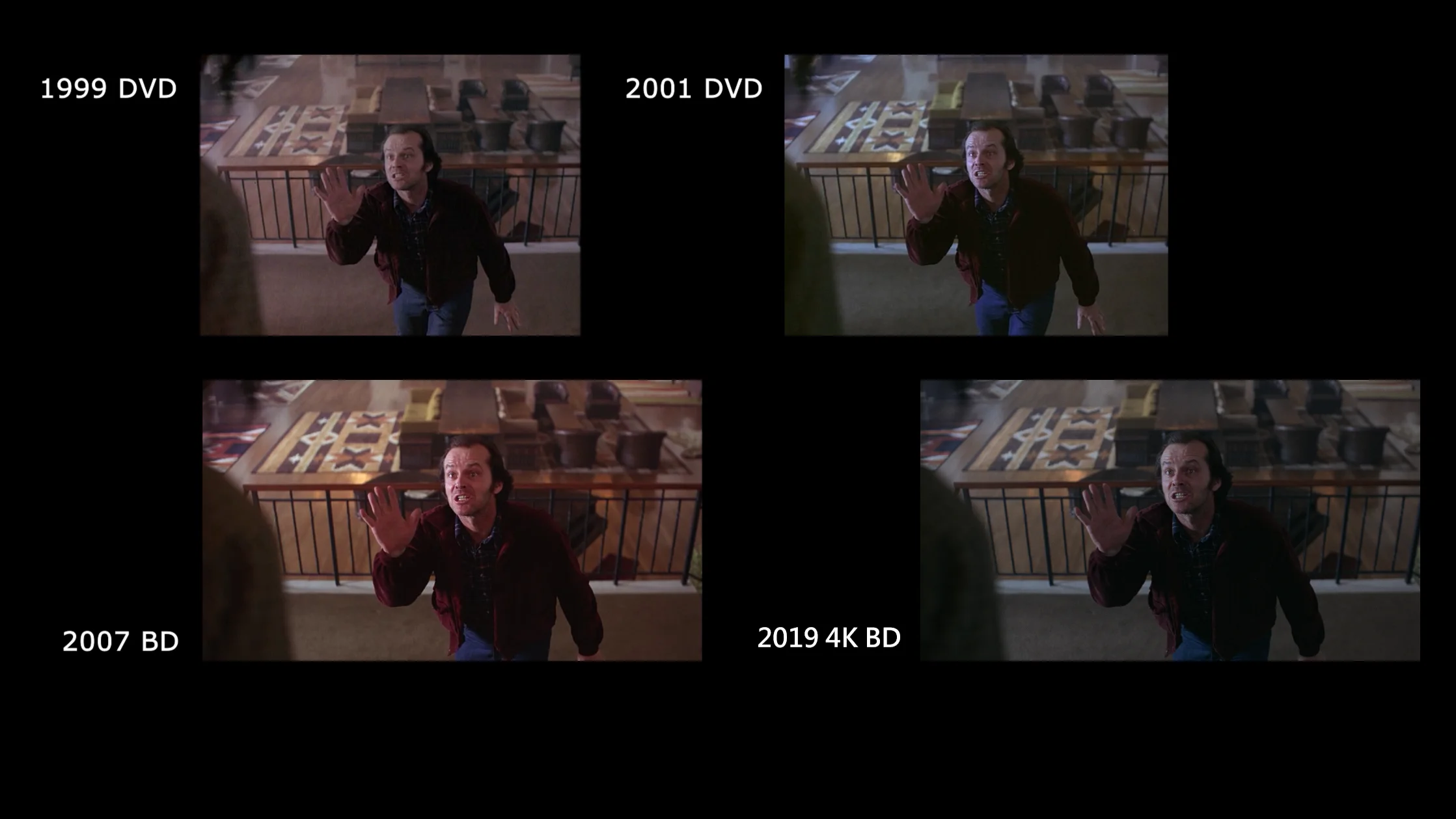 Old DVDs sometimes had problems with this. Some movies were cut on the sides so the image would fit older square TVs. You would lose part of the picture without even knowing it. But most of the DVDs nowadays keep the image as it was meant to be seen.
Blu-ray discs are made for modern wide-screen televisions. The image fits your TV perfectly, and nothing is cut. You see exactly what the director wanted you to see — the full, wide cinematic image.
Sound Quality
DVD sound is good. But Blu-ray sound is on another level.
Blu-ray supports formats like Dolby TrueHD and DTS-HD Master Audio. These are what we call "lossless" formats — the sound is not compressed at all. It is exactly as the filmmaker mixed it in the studio. Many Blu-ray discs also support Dolby Atmos, which makes the sound feel like it is coming from all around you — above you, behind you, beside you.
If you have a home cinema system or even a good soundbar, you will really notice the difference.
Storage: Why Blu-ray Can Hold So Much More
A DVD can store up to 8.5 GB of data. A Blu-ray disc can store up to 50 GB, and a 4K Blu-ray can hold up to 100 GB.
More storage means better video, better audio, and also more bonus content — making-of videos, deleted scenes, interviews with the directors and actors. All of this fits on one disc without reducing the quality of the main film.
So, Which One Should You Buy?
If you have a small or older television, and you just want to watch a movie without worrying too much about quality, a DVD is totally fine. It is affordable and easy to find.
But if you have a modern flat-screen television — which is very common in Moroccan homes today — and you care about enjoying the full cinematic experience, Blu-ray is clearly the better choice. The image is sharper, the sound is richer, and the whole experience is simply more enjoyable.
And if you want the very best quality available at home — better than most streaming platforms — then a 4K Blu-ray is the answer.
The good news is that Blu-ray players are not expensive anymore, and your old DVDs will still work in them. It is an easy upgrade that makes a real difference.